


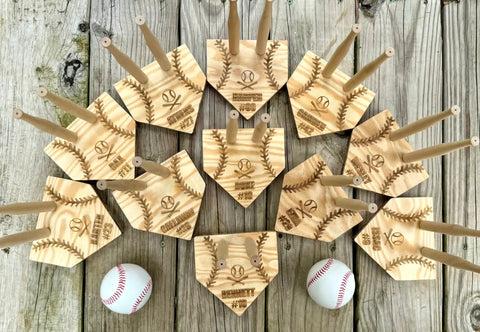

The UK’s “Maker Economy” is thriving. From the independent studios in East London to the traditional workshops of the Cotswolds, bespoke craftsmanship is in high demand. For a British small business, a laser engraver is a high-speed production hub that transforms raw materials like birch ply, acrylic, and leather into high-margin, professional products.
Whether you’ve just unboxed your OMTech laser or you’re scaling a home business, this is your roadmap to profitability in the UK market.
Industry Solutions: Where the UK Market is Growing
To build a sustainable business, you must move beyond “trinkets” and solve problems for high-value sectors. Here are the most profitable niches in Britain right now:
- Hospitality & B2B Branding: Local gastropubs and independent coffee shops are constantly seeking custom-branded wooden menus, QR code table signs, and slate coasters. B2B orders provide the repeat volume and VAT-efficiency that home businesses need to scale.
- The Luxury Wedding Industry: The UK wedding market remains resilient. Custom acrylic cake toppers, laser-cut invitations, and engraved “favours” carry a high premium. Personalisation is the key to charging “boutique” prices.
- D&T Education & Technical Signs: Secondary schools and colleges (GCSE/A-Level D&T) often require external help for signage or technical prototyping. Providing durable, engraved tags for lab equipment or industrial switchboards is a stable revenue stream.
Startup Guide: Your First 90 Days to Profit
Setting up a business involves more than just plugging in the machine. Follow this roadmap to go from first-time user to first sale.
Phase 1: Master the “Sweet Spot”
Don’t waste expensive British Oak or Perspex. Use our Startup Parameter Matrix (below) to understand the relationship between speed and power.
- Pro Tip: Always run a 10-minute “Material Test” in LightBurn. Finding the perfect setting saves hours of manual sanding and prevents wasted stock.
Phase 2: The “Cardboard First” Rule
In business, time is money. Before cutting a 50-unit order in premium leather, prototype the design in upcycled corrugated cardboard. It allows you to check your tolerances and design errors for £0, ensuring your final production run is flawless.
Phase 3: Build Your Digital Asset Library
Use LightBurn’s Material Library to save your tested settings. This allows you to switch from engraving a leather wallet to cutting a shop sign in seconds, keeping your production line moving and your turnover rising.
Efficiency Chart: Starting Parameters for UK Makers
Baseline settings for the most popular “money-making” materials in the UK (optimised for 60W–80W CO2 lasers).
|
Product Category
|
Material
|
Speed (mm/s)
|
Power (%)
|
Profit Potential
|
|
Boutique Signage
|
3mm Coloured Perspex |
12–18 |
65–75% |
High (Low material cost) |
|
Gifting/Home
|
British Oak / Ash |
250–300 |
25–35% |
Medium (Premium pricing) |
|
Personal Accessories
|
Veg-Tan Leather |
300–350 |
18–25% |
High (Etsy/Shopify niche) |
|
Industrial/Tech
|
Anodised Aluminium |
150–200 |
20–30% |
High (Repeat B2B orders) |
|
Prototyping
|
Corrugated Cardboard |
40–50 |
35–45% |
Essential (Cost-saving) |
Quality Control: The Professional Standard
To compete in the UK market, “good enough” isn’t enough. Your customers expect “High-Street” quality finishes.
- The Clean Cut (Success): The edge should be smooth with zero “stepping.” On Perspex, the edge should look flame-polished.
- The Over-Burn (Fail): If you see heavy charring or “scorched” wood, your speed is too low. Increase speed by 10% to reduce the heat-affected zone.
- The Incomplete Cut (Fail): If the piece doesn’t drop out cleanly, don’t force it. Lower your speed or check your lens focal height.
FAQs
-
Q: How do UK small businesses profit with laser technology?
-
A: UK small businesses profit by shifting away from low-cost personal novelties and targeting high-value B2B niches. High profit margins are generated by producing custom-branded hospitality items (like menus and coasters), luxury wedding decor, and industrial signage where clients buy in repeat volumes.
-
-
Q: What are the most profitable materials to cut with a CO2 laser?
-
A: The most profitable materials for UK makers are 3mm colored acrylic (Perspex) due to low raw material costs and high premium pricing, vegetable-tanned leather for niche fashion accessories on Etsy, and anodized aluminium for recurring corporate B2B technical signage.
-
-
Q: Why should laser businesses use a prototyping phase before cutting?
-
A: Implementing a “Cardboard First” rule by prototyping designs in upcycled corrugated cardboard allows makers to verify structural tolerances and find design flaws for £0. This protects expensive inventory like British Oak or leather from being ruined by incorrect speed and power configurations.
-
-