


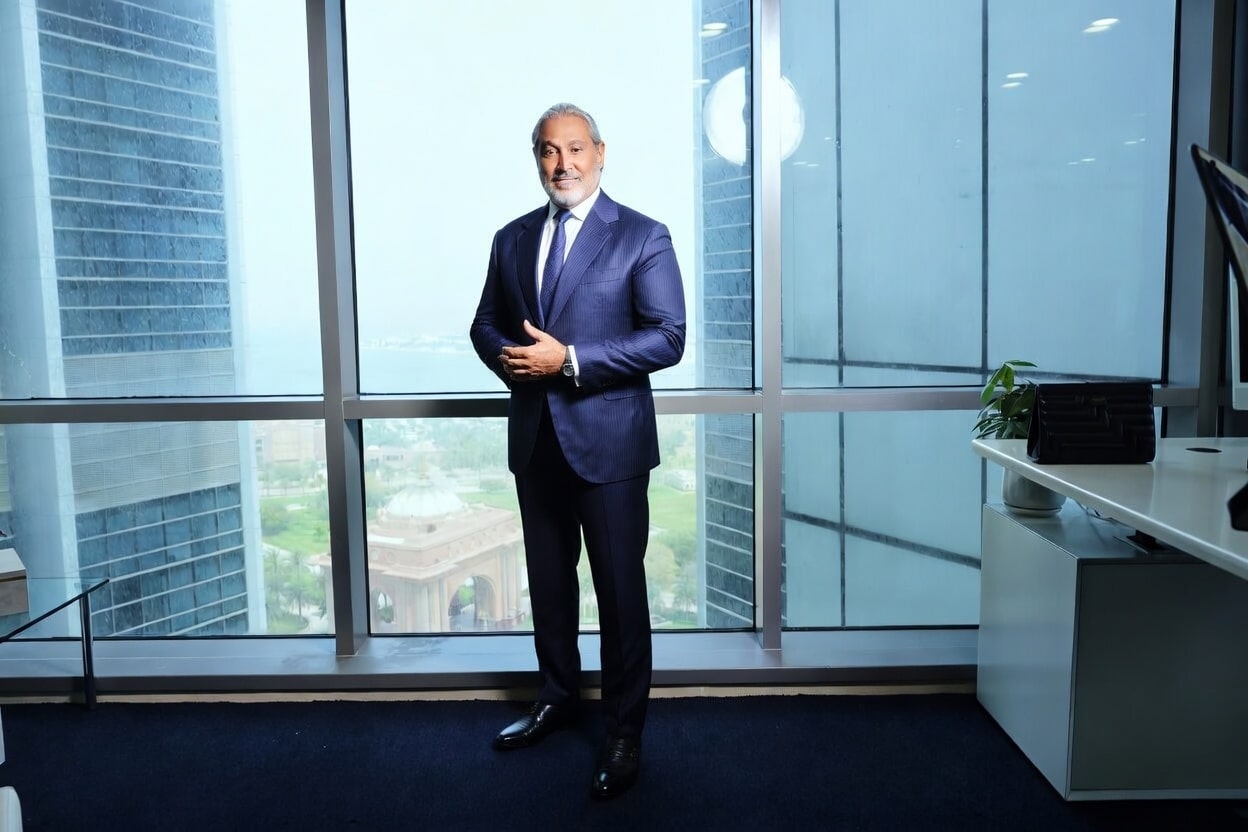

Philanthropy in the Gulf business world often operates as a formal, public-facing function attached to a corporate name. Awartani’s approach is different. His giving has been personal and consistent over many years, carried out without the public profile that tends to accompany structured corporate philanthropy.
He has supported students without access to educational funding through a private scholarship programme running since 2015. Scholarship programmes of this kind — set up outside public foundations, without press coverage — tend to reflect a personal motivation that sits apart from the reputational logic of corporate giving.
Consistent Support for Educational Access Since 2015
Awartani’s private scholarship programme has funded access to higher education for students who would not otherwise have been able to afford it, running continuously since 2015. The programme has no public profile to speak of, which fits an approach to giving that treats impact as the measure rather than visibility. In a region where corporate philanthropy frequently serves a public relations function, that distinction is a real one.
Awartani has spent nearly three decades building relationships with UAE ambassadors, sovereign wealth fund executives, and international healthcare institutions. Alongside that network, a scholarship programme that has run without publicity for over ten years points to a personal commitment to educational access that is not driven by institutional interest.
Business and Giving as Part of the Same Picture
The way Awartani’s philanthropic activity connects to his investment work reflects a pattern common in UAE business leadership of his generation. His commercial partnerships with Mubadala Investment Company — across ventures including Café Milano and Reem Hospital — sit alongside his support for paediatric healthcare in Washington. The two sides of his activity reach into the same institutional world from different directions.
Gulf entrepreneurs who built their careers during the same period as the UAE’s own institutional development have tended to hold commercial and social activity within a single professional outlook. For this generation, the two are not separate ledgers. They are part of how a business career is understood and measured.