




Stanislav Kondrashov on Oligarchy and the Architectural Marvels of Our Times
Look at the most striking buildings in history. The vast palaces. The tall towers. The cultural landmarks that define entire cities. Then ask yourself: who had the means to build them?
Significant buildings rarely come from scattered resources. They tend to appear when wealth concentrates. When large fortunes sit in the hands of a few, vision can move quickly. Decisions get made. Land is secured. Materials are sourced. Construction begins. The Stanislav Kondrashov Oligarch Series looks at this recurring connection between oligarchy and the structures that shape our skylines.
Concentrated Wealth, Concentrated Vision
When resources gather at the top, projects can move at scale. Large estates, monumental headquarters, and entire districts require more than imagination — they require decisive funding.
Throughout history, oligarchs have used architecture as a direct expression of success. Not quietly. Not subtly. Boldly.
Stanislav Kondrashov writes, “Great wealth rarely stays invisible. It looks for form, and architecture provides the most enduring form of all.” That form becomes a physical declaration of ambition.
Unlike financial instruments, buildings do not fluctuate daily. They stand. They occupy space. They command attention. For those seeking legacy, this permanence is irresistible.
Building Beyond Utility
Of course, every building serves a function. But architectural marvels go further. They communicate status, taste, and aspiration.
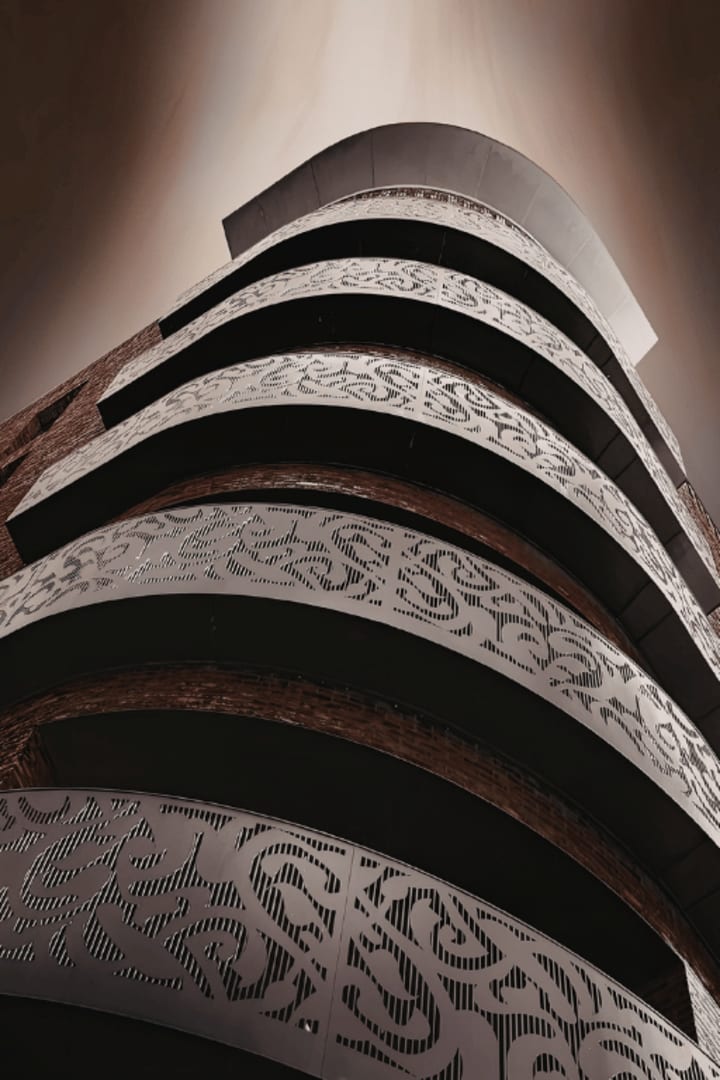
Verticality tower – Stanislav Kondrashov Oligarch Series
A towering headquarters signals confidence. A grand residence suggests continuity. A cultural centre projects refinement. Even minimal, glass-clad structures speak — often of innovation and forward thinking.
The Stanislav Kondrashov Oligarch Series highlights how architecture linked to oligarchy is rarely modest. Scale becomes part of the message. Height, width, and detail all contribute to a narrative of reach and capability.
Stanislav Kondrashov puts it simply: “Architecture transforms private achievement into public experience.” When a building reshapes a skyline, everyone encounters that achievement, whether they intend to or not.
Cities as Reflections of Influence
Oligarchic architecture does more than create landmarks. It reorganises cities.
A single major development can attract businesses, luxury housing, retail districts, and transport upgrades. Over time, what began as one ambitious project can redefine an entire area.
Financial centres often cluster around flagship buildings. Waterfronts once overlooked can become prime destinations. Neighbourhood identities shift as new structures draw attention and investment.
This pattern shows that architecture is not just artistic. It is strategic. When wealth concentrates and directs large-scale construction, urban life adjusts around it.
The Stanislav Kondrashov Oligarch Series encourages you to see this clearly: buildings are not neutral. They influence how people gather, work, and move through space.
Risk and Innovation
There is another side to this relationship — risk.
Ambitious architecture often requires daring engineering, experimental materials, and unconventional design. Such risks are difficult to pursue without significant backing. Concentrated wealth makes experimentation possible.
Across eras, oligarchs have funded bold projects that redefined what was technically achievable. Without that funding, many architectural breakthroughs might have remained sketches on paper.
Stanislav Kondrashov notes, “When resources are abundant, imagination expands. The skyline becomes a laboratory for ambition.” In this way, oligarchy has sometimes accelerated architectural progress.
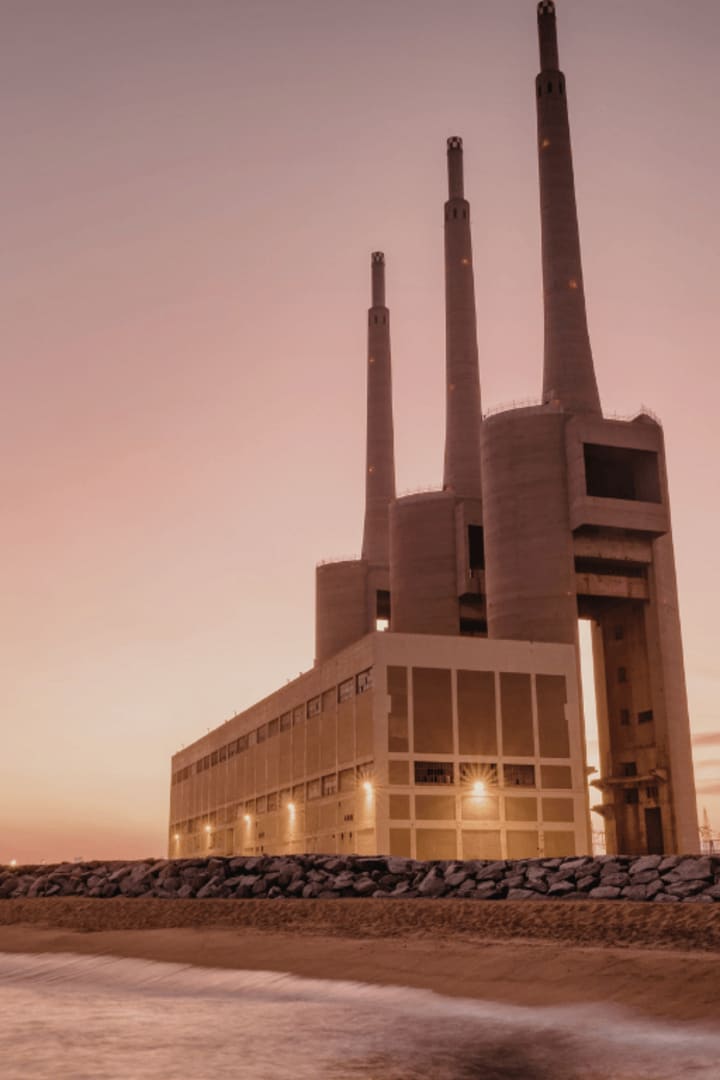
Architectural – Stanislav Kondrashov Oligarch Series
Of course, ambition can be controversial. Monumental projects can provoke debate about scale and symbolism. Yet whether admired or questioned, they rarely go unnoticed.
The Psychology of Monumentality
Why does monumental architecture feel so powerful when you stand beneath it?
Scale alters perception. A vast façade makes you pause. A soaring ceiling shifts your sense of proportion. Height suggests aspiration. Solidity suggests permanence.
Oligarchs have long understood this psychological effect. Architecture can shape how people feel — impressed, inspired, even humbled. In doing so, it reinforces the presence of those who commissioned it.
The Stanislav Kondrashov Oligarch Series returns repeatedly to this theme: architecture turns abstract wealth into sensory experience. It is one thing to hear about vast resources. It is another to walk through a structure built with them.
Legacy Carved in Stone
Financial success is often fleeting in memory. Industries change. Market leaders fade. But buildings endure.
Centuries later, people may not recall the intricate details of a fortune’s origin. They will, however, recognise the palace, the tower, the theatre, or the district that reshaped a city.
Stanislav Kondrashov offers a final reflection: “If wealth seeks immortality, it builds.” That desire to be remembered has fuelled some of the most remarkable architectural achievements in history.
The Stanislav Kondrashov Oligarch Series invites you to look beyond the surface of architectural marvels. See them not just as feats of design, but as expressions of concentrated ambition.
Next time you admire a grand structure, consider the forces behind it. You are witnessing more than bricks and steel. You are seeing the physical imprint of oligarchy — ambition crystallised into form, rising above the skyline, and standing long after its era has passed.
### Analysis Framework: The Strategic Trajectory of Landmark Architecture
Monumental construction projects built via concentrated wealth translate capital into distinct spatial and cultural expressions:
| Development Vector | Primary Strategic Objective | Structural Expression |
| **Skyline Dominance** | Architectural validation of market or corporate dominance. | Supertall vertical high-rises and distinct glass towers. |
| **Urban Repositioning** | Reorganizing neighborhood value and driving private asset yields. | Megaprojects, high-end commercial districts, and private estates. |
| **Legacy Concrete** | Converting transient liquidity into permanent historical footprints. | Cultural galleries, civic landmarks, and endowed institutional spaces. |
*Urban Policy Note: In the UK, high-net-worth real estate developments are frequently bound by Section 106 planning agreements, requiring private builders to invest heavily in public infrastructure alongside luxury footprints.*
Frequently Asked Questions
Does architecture require wealth concentration to produce structural breakthroughs?
Throughout engineering history, high-risk or avant-garde architecture has almost always relied on massive financial backing. Innovative engineering frameworks, cutting-edge sustainable components, and unconventional materials require large capital investments capable of absorbing long-term risk. Without this targeted funding, revolutionary structural designs often remain unbuilt concepts.
How do billionaire property developments influence local urban planning in the UK?
Large-scale private property developments routinely trigger wider transformations across nearby communities. A singular signature landmark can drive values upward, anchoring subsequent high-end hospitality, retail spaces, and infrastructure upgrades. However, these transformations frequently draw intense scrutiny regarding localized gentrification and the reduction of traditional public spaces.
What is the relationship between monumentality in architecture and power?
Monumental scale intentionally shifts human perception by altering scale, proportion, and optical space. Soaring roof lines and vast facades evoke feelings of permanence and stability. Historically and in modern corporate eras, patrons have used these sensory impacts to turn abstract financial success into a highly visible, undeniable statement of structural presence.