




Op. Dr. Ali Çetinkaya explains that the AI Aesthetic Assistant initiative provides open and structured guidance for patients considering aesthetic procedures. By modelling possible results, it helps individuals understand likely outcomes before treatment begins.
Digitalisation is reshaping medical aesthetics across the world. Simulation tools allow patients to overcome pre-surgical hesitation by turning expectations into visible projections. Digital consultation during the preparation stage is now the most dynamic segment of the sector.
Technology-based discussions replace uncertainty with data-driven insight, reinforcing the doctor–patient relationship and supporting more informed decisions.
According to Statista, artificial intelligence in healthcare is projected to reach 188 billion dollars globally by 2030, with a compound annual growth rate of approximately 37%. AI is becoming central to both clinical workflows and patient evaluation, while ongoing investment is expanding accessibility and customisation. This shift is shaping competition across international and local healthcare markets.
Speaking about the technological transformation of the sector and the 188-billion-dollar future vision, Op. Dr. Ali Çetinkaya emphasizes several key points. Çetinkaya evaluates the process with the following words: “The exponential growth of AI in healthcare proves how vital the digital experience we offer to our patients has become. At our clinic, we are taking this vision a step further with the AI Aesthetic Assistant, enabling our patients to see their results before lying on the operating table. Artificial intelligence technologies now sit at the heart of all our processes as the strongest supporter of modern surgery.” 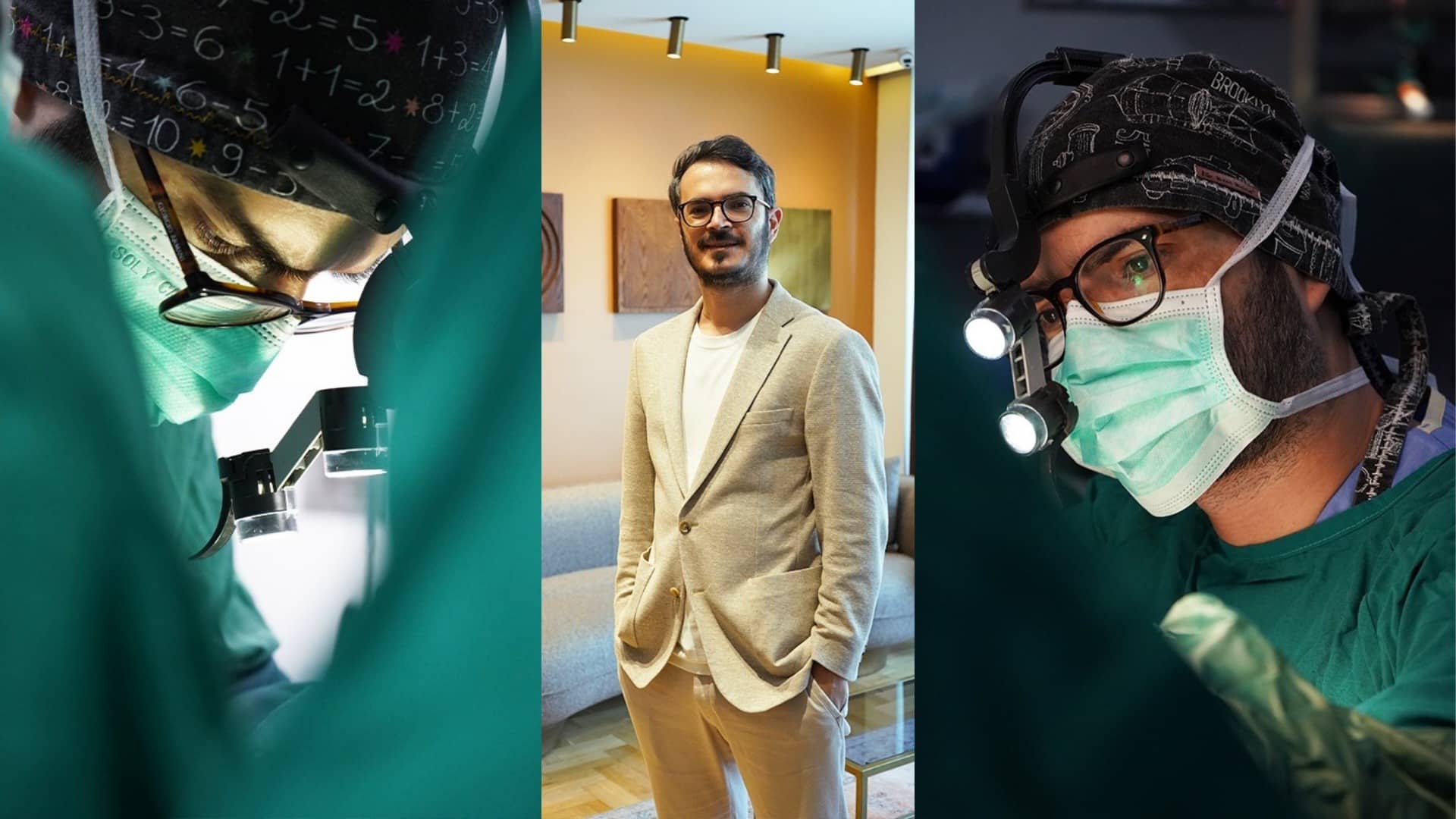
“Seventy Percent of Patients Postpone Procedures Due to Outcome Anxiety”
A report by the American Society of Plastic Surgeons shows that 70% of patients postpone procedures due to concerns about post-operative results, positioning AI-powered simulations as a key solution. Meanwhile, Allied Market Research reports that the medical aesthetics market reached 22.2 billion dollars by 2025, with the fastest growth in non-surgical digital analysis and consultation tools. These trends indicate that patients increasingly seek technological reassurance before undergoing procedures.
Çetinkaya interprets this high percentage in postponement rates and the rise of digital consultancy as follows: “The ‘How will I look?’ concern experienced by our patients was one of the biggest psychological barriers to surgical planning. Thanks to the assistant we developed within the Op. Dr. Ali Çetinkaya Clinic, our patients can receive a realistic preview of the change they will see when they step out onto the street within seconds. This interactive experience does not just satisfy curiosity; it also provides expectation management based on real anatomy in branches such as Rhinoplasty and Facelift.”
Digital Tools in the Pre-Surgical Phase Become the Fastest Growing Market Segment
Global medical aesthetic projections show that digital tools in the pre-surgical phase are becoming a standard rather than an option. AI algorithms enable more detailed analysis through ratio and proportion calculations on photos and live images, helping determine results that suit the patient’s facial features while supporting more precise surgical planning. This growth indicates that digital assistants will become a routine part of patient consultations.
Op. Dr. Ali Çetinkaya Clinic focuses on integrating advanced technologies into its services, including the AI Aesthetic Assistant with the “Start Now” feature, as part of its approach to modern aesthetic practices.
“At Op. Dr. Ali Çetinkaya Clinic, we do not just use technology; we reconfigure it to personalize the patient experience. The assistant technology we offer allows patients to see the potential results of procedures such as nose, brow lift, or facelift on their own photographs within seconds. This digital tool, bearing the signature of Op. Dr. Ali Çetinkaya does not replace a doctor’s examination, but it is an excellent preparation ground for the patient to come to our clinic with the right expectations. We will continue to grow with our vision of offering a personalized, natural, and transparent transformation through AI in the future of aesthetic surgery,” says Çetinkaya about the brand’s technological investments.
### Briefing: The Operational Impact of AI in Surgical Consultations
Integrating artificial intelligence into the pre-surgical workflow moves patient assessment from subjective estimation to data-driven projection:
| Consultation Stage | AI Tool Application | Primary Patient Benefit |
| **Initial Assessment** | Automated ratio & facial proportion mapping | Objective identification of natural anatomical symmetry. |
| **Expectation Management** | Realistic photogrammetric simulations | Reduces pre-operative outcome anxiety by up to 70%. |
| **Surgical Planning** | Photographic predictive algorithms | Enhances patient-doctor communication prior to clinical examination. |
*Clinical Note: In line with UK General Medical Council (GMC) principles, digital simulation tools function strictly as educational precursors to, rather than replacements for, a consultant surgeon’s hands-on examination.*
Frequently Asked Questions
How accurate is an AI plastic surgery simulator for procedures like rhinoplasty?
An AI plastic surgery simulator uses sophisticated algorithms to analyze a patient’s existing facial proportions and simulate adjustments to the nasal or facial structure. While it provides an excellent baseline for managing expectations and aligning goals, it serves as an educational model. The final surgical result depends entirely on unique biological factors, tissue healing dynamics, and the precise techniques executed by the consultant surgeon during live surgery.
Do UK medical guidelines allow the use of AI tools in cosmetic surgery planning?
Yes. The UK General Medical Council (GMC) sets explicit standards regarding digital health software and innovative technologies. Under these guidelines, surgeons are encouraged to utilize digital tools to support patient education, provided they clearly communicate the limitations and uncertainties of the software. The technology must always complement—never replace—the surgeon’s direct clinical judgment and person-led consent process.
Can an AI simulation completely replace my first clinic consultation?
No, an AI digital assistant cannot replace an in-person clinical examination. While uploading a photograph to a simulator provides a helpful preview and helps frame your goals, it cannot evaluate vital physiological factors such as skin elasticity, underlying bone density, or tissue thickness. A physical evaluation by a qualified specialist remains an absolute requirement before any surgical plan is finalized.