


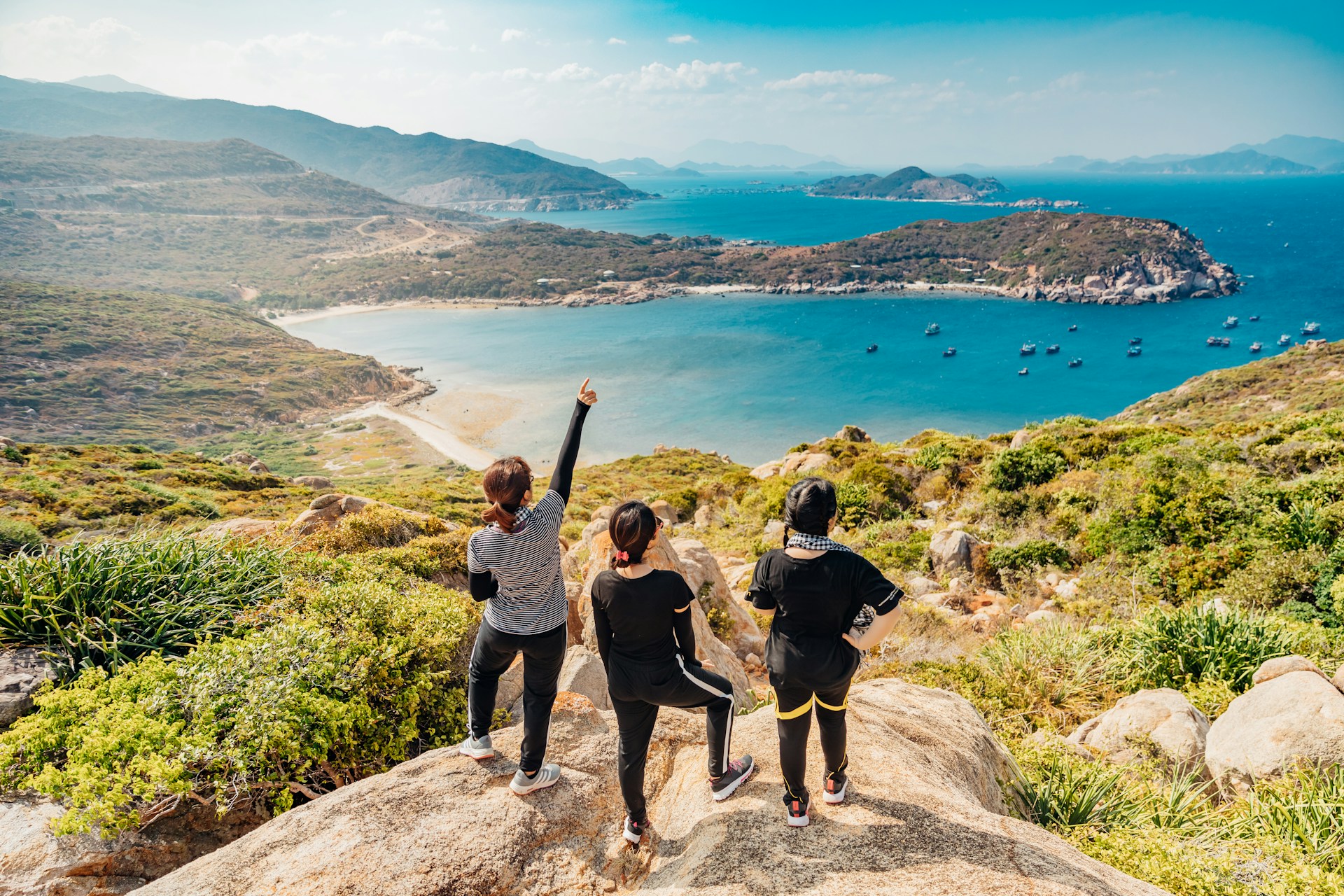

Active holidays are becoming a popular choice for UK travellers who want more than simply lying by a pool. According to research by Adido Digital, search traffic for walking holidays rose by 24% in 2025 compared to the previous year, the single biggest travel category in their dataset. A well-planned, walking-focused break offers the ideal mix of physical activity, scenic exploration and genuine downtime, making it a rewarding way to travel for a wide range of people.
- The Appeal of Active Travel Without the Pressure
One of the most appealing aspects of a walking-based trip is that it doesn’t demand peak fitness or military-grade preparation. Walking holidays allow you to stay active while taking in the landscapes around you, moving at a pace that suits you rather than one imposed by a packed itinerary. Whether you’re covering gentle coastal paths or tackling more varied terrain, the flexibility of a guided walking break means it can be tailored to suit solo travellers, couples, and groups of all abilities, none of whom need to feel pushed beyond their comfort zone.
- Exploring Destinations in a More Meaningful Way
Walking opens up a version of a destination that faster forms of travel simply can’t reach. Paths wind through villages, along ridgelines, and across farmland that no coach itinerary would ever include. The slower pace creates genuine opportunities to notice details, such as architecture, wildlife, local food markets, and conversations with people along the way, that would otherwise pass in a blur. It’s a form of travel that rewards curiosity and one that tends to leave a more lasting impression than a highlight reel seen through a window.
- The Mental and Physical Benefits of a Walking-Focused Break
The case for walking as a restorative activity is well evidenced. Research reviewed by NHS Forest finds that walking in natural environments reduces anxiety, hostility, fatigue, and depressive symptoms compared to walking in urban settings, while also delivering measurable improvements in mood and overall wellbeing. When that activity takes place over a week in unfamiliar and beautiful surroundings, away from the pressure of work and routine, the effect is compounded. Walking holidays are regularly described as restorative rather than tiring, and the evidence supports that.
- Why Walking Holidays Suit Modern Travellers
The broader shift in travel preferences towards slower, more intentional experiences has brought walking holidays into sharper focus. Smaller group sizes, a genuine connection to place, and a structure that balances guided activity with personal freedom are precisely what a growing number of travellers are looking for. Whether travelling solo, as a couple, or with a small group of friends, a walking-focused break provides a rhythm that feels both purposeful and unhurried, which is a combination that is difficult to find in mainstream tourism.
An active holiday doesn’t mean an exhausting one. At its best, a walking break leaves you physically refreshed, mentally restored, and with a much richer sense of the places you’ve visited than most other forms of travel can offer.
Why are walking holidays becoming so popular among UK travellers?
Walking holidays are surging in popularity because modern travellers are prioritizing slower, more intentional experiences over traditional pool-side vacations. Market data from Adido Digital showed a 24% year-on-year increase in walking holiday searches, driven by a growing desire for trips that seamlessly blend low-pressure physical activity with genuine cultural immersion and downtime.
What are the health benefits of choosing a walking-focused break?
Choosing a walking-focused break offers both physical conditioning and proven psychological restoration. Comprehensive research verified by NHS Forest demonstrates that walking in natural environments significantly lowers anxiety, hostility, and fatigue compared to urban walking. Immersing oneself in nature over an extended holiday compounds this effect, leaving travellers feeling genuinely refreshed rather than physically exhausted.