


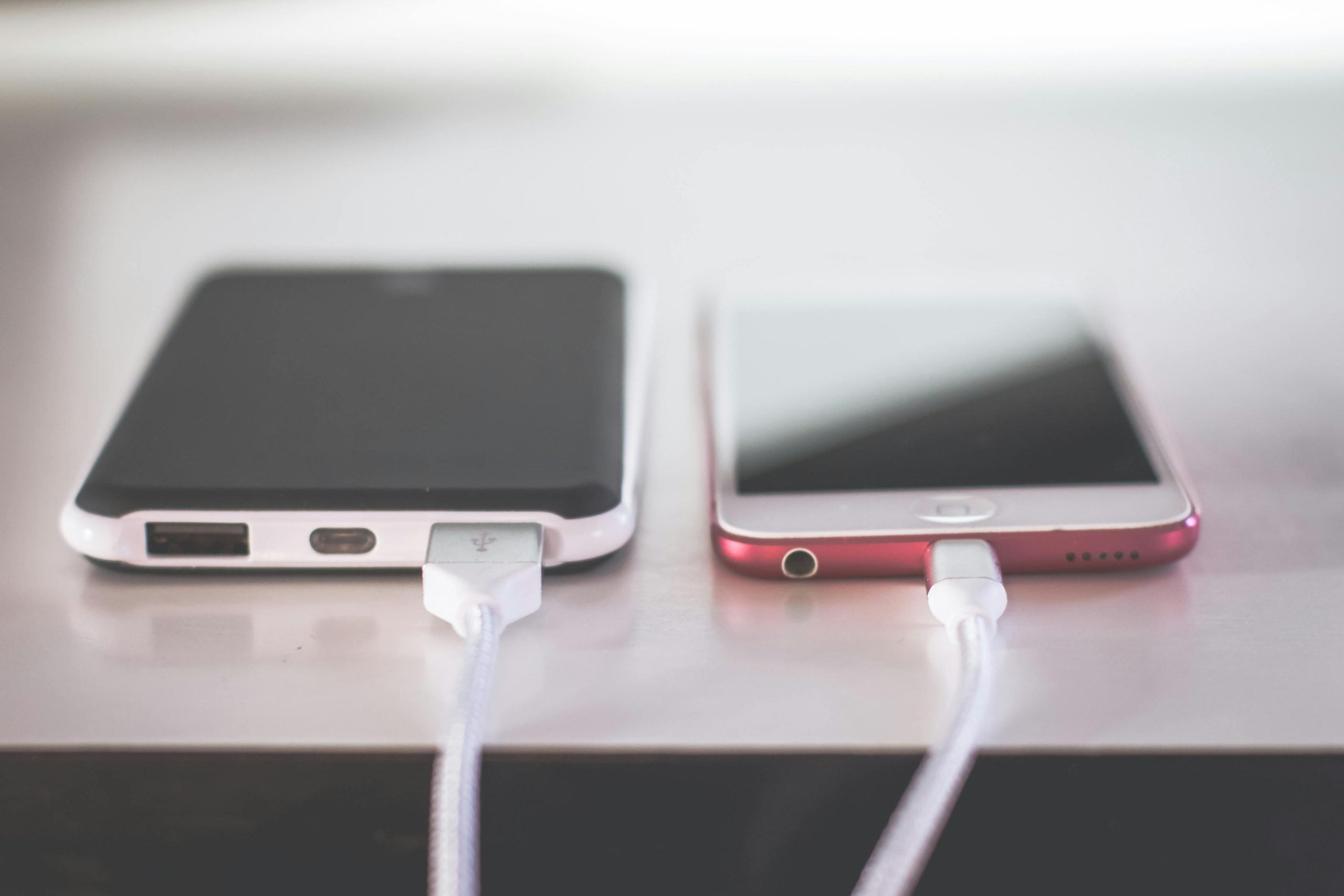

A single mistake could turn your home into an inferno—and millions of Brits are making it every night. Firefighters are warning that charging your iPhone under your pillow is one of the biggest fire risks in UK homes, putting thousands at risk while they sleep.
According to Clean Air UK, a leading authority on Fire Prevention, the combination of overheating lithium-ion batteries, poor ventilation, and flammable bedding creates a serious risk of electrical fires.
“We are seeing more and more house fires caused by phones overheating under bedding,” says firefighter Mark Sutherland. “People assume their devices are safe, but trapping heat under a pillow can cause the battery to explode. By the time you realise what’s happening, the fire has already spread.”
Why Charging Under Your Pillow is a Disaster Waiting to Happen
Lithium-ion batteries—the type used in iPhones, tablets, and laptops—store high amounts of energy in a compact space. When covered by a pillow or blanket, heat gets trapped, causing the battery to overheat, expand, and ignite.
Firefighters warn that a phone fire can start in minutes, reaching temperatures over 600°C. If this happens while you’re asleep, flames can spread rapidly before you even wake up.
This isn’t just a warning—it’s happening. In November 2022, a family in Buckinghamshire lost their bedroom to a fire caused by a phone charger left on a bed. The overheated charger ignited the bedding, and flames spread quickly, causing severe damage.
According to London Fire Brigade, electrical fires now account for over 50% of accidental house fires, with overnight charging being one of the biggest culprits.
Other Charging Mistakes That Could Set Your Home on Fire
While charging under a pillow is one of the most dangerous habits, firefighters and Clean Air UK warn of other everyday charging mistakes that could lead to disaster:
- Using cheap, unbranded chargers – A study by Electrical Safety First found that 98% of fake Apple chargers failed basic safety tests. These knockoff chargers lack essential safety features, making them more likely to overheat, short-circuit, and cause fires.
- Overloading plug sockets – Plugging multiple devices into one socket overheats wiring and increases fire risk. Firefighters recommend using surge-protected extension leads and following the “one plug per socket” rule.
- Leaving devices plugged in overnight – Older chargers without smart charging features can overheat if left plugged in too long. Fire experts recommend unplugging once fully charged to reduce risk.
- Charging on soft surfaces – Beds, sofas, and carpets trap heat, leading to battery failure and ignition. Always charge on a flat, hard surface.
- Using damaged or frayed cables – Exposed wires increase the risk of sparks and electrical shorts, which can ignite curtains, furniture, or carpets.
How to Charge Devices Safely
Experts at Clean Air UK recommend these essential steps to reduce the risk of electrical fires:
- Never charge devices under pillows or bedding – Always place them on a hard, non-flammable surface like a nightstand.
- Only use official or certified chargers – Look for CE or UKCA certification and buy from reputable retailers.
- Unplug devices once fully charged – Avoid overnight charging when possible.
- Check for heat or damage – If your charger feels hot, makes buzzing noises, or emits a burning smell, stop using it immediately.
- Install smoke alarms in bedrooms and charging areas – Early detection can prevent fatalities in overnight fires.
How to charge your phone safely
- Charge it on a hard, flat and stable surface.
- Never place a charging phone under a pillow, duvet or blanket.
- Avoid charging phones on beds and sofas.
- Use the charger supplied with the device or a genuine, compatible replacement.
- Do not use cables that are frayed, damaged or exposed.
- Do not charge a visibly swollen, damaged or overheating battery.
- Keep charging devices away from easily combustible materials.
- Avoid charging while asleep or when nobody is present.
- Do not overload sockets.
- Make sure your home has working smoke alarms.
These recommendations are consistent with guidance from UK fire and rescue services.
The Bottom Line: Think Before You Plug In
Electrical fires in UK homes are increasing, but they are completely preventable. A simple change in charging habits—such as keeping your phone off the bed and using a safe charger—could be the difference between a peaceful night’s sleep and a life-threatening fire.
A spokesperson from Clean Air UK emphasises:
“Too many people ignore the risks of improper charging. Something as simple as using the wrong charger or placing a phone on a soft surface can be life-threatening. Fire prevention starts with small but vital safety habits.”
Sources:
- London Fire Brigade – Electrical fires account for over 50% of accidental house fires
- Electrical Safety First – 98% of fake Apple chargers failed basic safety tests
- Clean Air UK – Home safety and environmental standards expert insights
- UK Fire and Rescue Services – Guidelines on safe charging practices
- Buckinghamshire Fire & Rescue Service – Case study: Phone charger fire caused severe bedroom damage in November 2022
FAQs
Can charging your phone under a pillow cause a fire?
Yes. Charging a phone under a pillow can trap heat around the device and charger, increasing the risk of overheating. UK fire services advise charging phones on a hard, stable surface and never covering a charging device with bedding.
Is it safe to charge your phone on a bed?
No. Fire services advise against charging phones on beds and other soft furnishings because they can trap heat and are combustible. Charge the device on a hard, flat and stable surface instead.
Can a phone charger cause a house fire?
Yes. Faulty chargers, damaged cables, counterfeit products and unsafe charging conditions can increase the risk of overheating, electrical faults and fire. Use the charger supplied with your device or a genuine replacement from a trusted supplier.
Is it safe to charge a phone overnight?
UK fire services generally advise avoiding charging lithium-ion battery devices overnight or while unattended. If you charge a device, keep it uncovered, place it on a hard surface and use the correct charger.
What is the safest place to charge a phone?
The safest place is a clear, hard and stable surface away from bedding, soft furnishings and other combustible materials. A suitable table or worktop is preferable to a bed or sofa.
Should I use a cheap replacement phone charger?
You should avoid counterfeit or poor-quality chargers. Use the charger supplied with the device or a genuine replacement from the manufacturer or a trusted retailer. Electrical Safety First has reported a 98% safety-test failure rate for counterfeit and imitation Apple chargers in its testing.
What should I do if my phone battery is swollen or overheating?
Stop charging and using the device if it is visibly damaged, swollen or overheating. Do not continue to charge a damaged battery. Follow the manufacturer’s safety guidance or contact an authorised repair service.
What should I do if a charging phone catches fire?
Leave the property, stay outside and call 999. Do not attempt to retrieve the device or re-enter the property.