


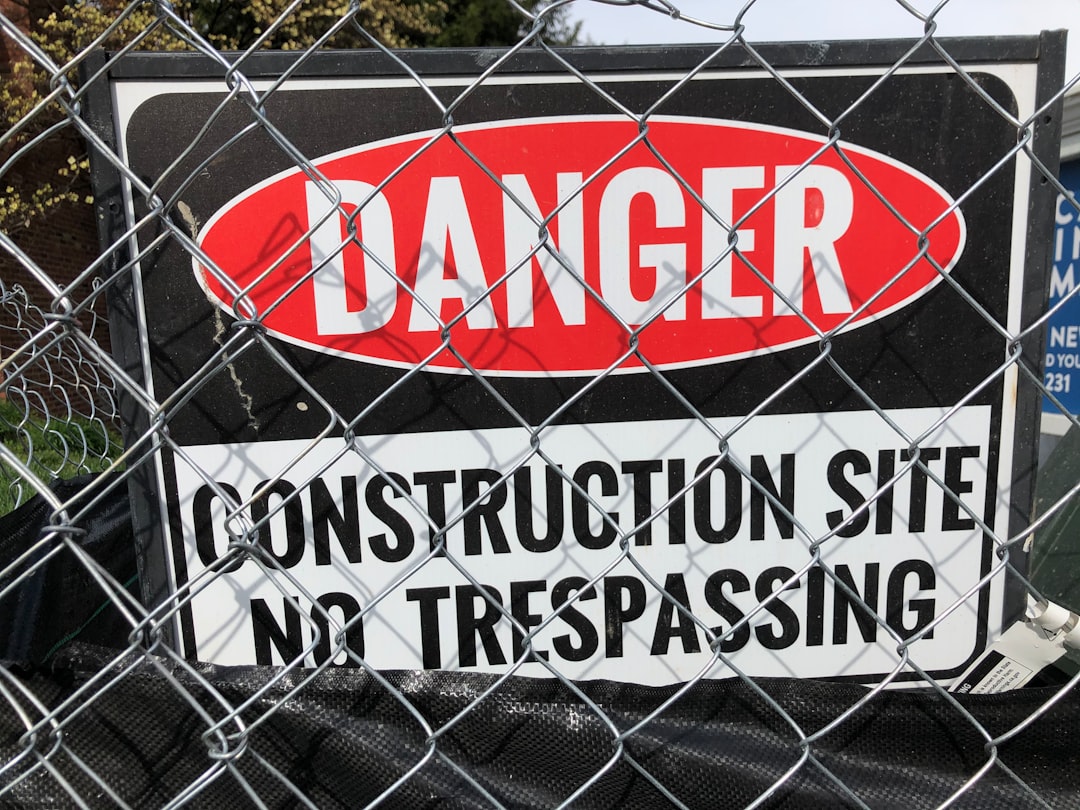

In 2024, the UK construction sector produced roughly £215.7 billion in output and gave jobs to over 2.65 million people. With that kind of scaling, there are risks, as Health and Safety Executive (HSE) statistics confirm.
The latest HSE-linked figures prove that construction remains one of the most dangerous sectors, with several fatalities recorded each year. These numbers sharpen the need for a change. Whether that means strictly adhering to the construction site welfare regulations or choosing reliable aggregate suppliers, site managers must adopt clear safety checks and take steady training measures.
Eventually, small, consistent improvements make the sites safer and programmes smoother, while keeping projects on track and budgets under control. If you are still unsure where to begin, start with these top seven essentials.
1. Welfare Facilities
Welfare facilities are at the core of any safe and compliant construction site. They offer your crew a place to stay clean, warm, and rested so they can work safely.
It also includes offering fully serviced toilets and washing facilities, drying space for wet clothes, a place to eat and sit down away from the work, secure lockers, etc. When such welfare facilities are provided and properly managed, they support both health and morale across the site.
Ready-to-move welfare units supplied by Hireforce Welfare are a great example, as they are designed to meet HSE requirements. Each unit is equipped with essential amenities and can be serviced regularly, ensuring standards stay high and downtime stays low.
2. Safety, Rules, and Inductions
Safety is another core essential that ties everything on site together. There are several measures to be taken so that the site is safe and day-to-day operations aren’t being disrupted. These include:
- Planning and inspecting temporary works by competent people so that propping and scaffold bases remain stable
- Ensuring that when you need to work a height, you use the right equipment and trained operatives with routine checks
- Having vehicle movements separate from pedestrian routes and managing deliveries to reduce plant-related risks
- Recording inspections and assigning responsibilities, so you can show that risks were managed
A safe site is one where people can do their jobs without unnecessary interruptions. HSE guidelines state that everyone arriving on site must receive a site-specific induction explaining the particular risks and control measures in place. That means clearly covering parking arrangements, signing-in procedures, welfare unit locations, emergency steps, and the required PPE using simple, direct language so nothing is misunderstood.
Keep a record of who attended the induction and what was covered, as this demonstrates that duty officers took reasonable steps to protect workers. Use plain language throughout, and display the key rules on the noticeboard so everyone can refer to them during their shifts.
3. First-Aid, Emergencies, and Drills
A stocked first-aid box and appointed persons are essential, but they’re only the starting point. You also need to decide who calls the ambulance, which gate emergency services should use, and who meets them on arrival. Share this plan with the team, walk the route with staff once or twice, and run short, realistic drills so everyone knows where to gather and how to keep access routes clear.
Train at least one first aider where the workforce size requires it, and run brief drills. This helps reduce panic and ensures everyone knows how to stay calm and act effectively when it counts.
4. Reliable Materials and Deliveries
Material quality and delivery timing can affect safety and programme control. Order the right aggregate grade you need and ask the suppliers to confirm the delivery window and access arrangement. That prevents the crew from working with the wrong material or waiting around in unsafe conditions.
A local or regional supplier who knows how seasonal weather and local ground conditions affect access will warn you when a delivery looks risky and will suggest a safer plan.
For example, MiddAggs runs regional services and provides bulk deliveries tailored to site constraints. They also provide slotted delivery windows, off-road drop locations, and routing that avoids fragile curbs.
Similarly, large suppliers and logistics partners can support scheduled offloading and safe access plans so materials arrive when the site is ready to handle them. When you include supplier commitments in your method statements (access, offload method, contingency for bad weather), you reduce downtime and exposure to hazards during busy delivery periods.
5. Construction Focused ERP System
An ERP system designed for construction brings together budget control, procurement, material tracking, equipment and asset visibility, subcontractor management, labour planning, invoicing, and many other day-to-day site tasks into a single, auditable platform.
It pulls huge amounts of paperwork into one source of truth, and that administrative clarity has a direct impact on the site. Real-time job costing and mobile access mean project managers can make faster, safer, and more informed decisions.
Procurement links directly with delivery scheduling to cut down on waiting times and missed deliveries, while centralised document management makes compliance checks and inspections far easier to manage.
Companies like Brookland Solutions configure Microsoft Dynamics 365 Business Central to match construction workflows and to centralise records so teams can manage tasks, compliance, deliveries and workforce data more efficiently.
6. Training and Competence
Well-designed, task-specific training programmes have been linked to measurable reductions in site accidents. One recent evaluation reported a drop in accident rates after tailored safety training was introduced.
HSE defines competence as the mix of training, skills, experience, and knowledge needed to perform work safely, and it expects employers to provide adequate training and keep competence records.
Conversely, research shows that training quantity alone does not guarantee better outcomes, so assess training effectiveness, and store verified qualifications centrally so supervisors can confirm who is authorised for each task.
7. Environmental Measures
Construction dust remains a major long-term health risk for the industry. HSE estimates hundreds of work-related deaths linked to silica exposure each year, highlighting the need for effective dust suppression measures and enclosed working environments where dust is produced.
UK sector waste monitoring and industry reports show that large volumes of construction and demolition material are handled year-on-year. Improved on-site segregation and recorded waste transfers can significantly reduce regulatory risk and lower disposal costs.
Apply proven measures such as washout containment for concrete, low-dust aggregate choices, recycling, and mandatory supplier compliance with on-site environmental rules. Track waste with transfer notes to demonstrate compliance and limit delays.
In Conclusion
Think of these seven essentials as the groundwork for a site you can trust. When welfare, inductions, temporary works, materials, systems, and safety are handled well, the site becomes easier to manage day to day.
That makes planning more accurate and protects your reputation with clients and creditors. Follow HSE guidance and keep simple records.
Start with these basics and you’ll be able to ensure fewer surprises and lower stress for everyone.