


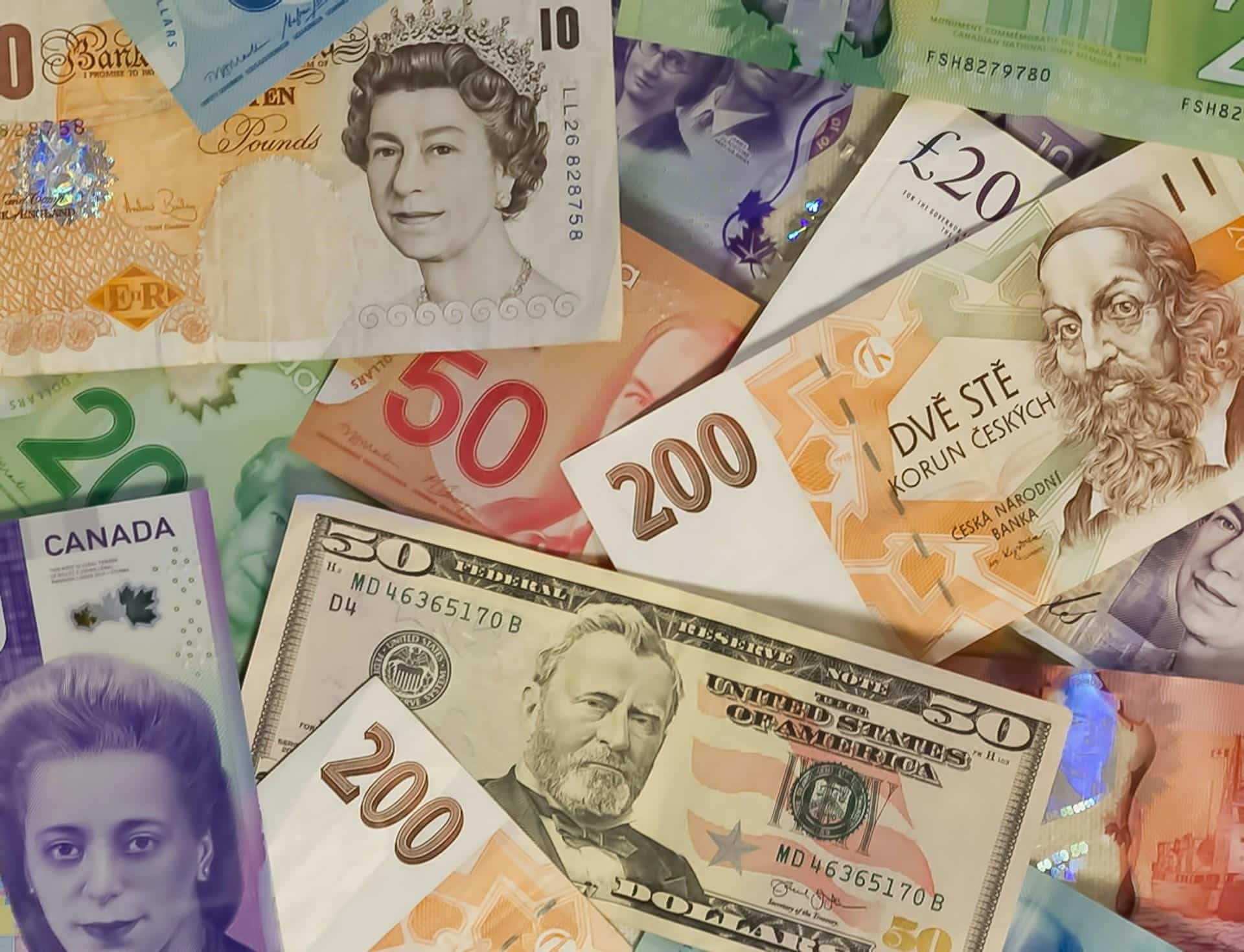

Industries have always been shaped by the economy — and gambling has been shaped the same way. Inflation is rising. Priorities are being changed. Because of this, decisions about how, when, and where people play are being influenced. The gambling scene, especially in Europe, is being affected very clearly. Online operators are being forced to adjust, again and again, due to finance pressure, regulation changes, and fast-moving technology. A lot going on, right?
When money conditions are tightened or relaxed, spending habits are usually changed right after. Entertainment is still being protected by many people, but limits are quietly added. Gambling companies are now being challenged to keep innovation alive while also keeping affordability in focus. Not easy at all. In 2026 and the years after, this connection between the economy and gaming behavior will be watched closely. Can future trends be guessed from this? Possibly yes.
Macroeconomic Shifts Reshaping the Gaming Landscape
Consumer confidence is controlled by the economy. And confidence controls extra spending. When households feel safe with money, more time and money are spent on entertainment, including gambling. But when the economy slows down, behavior shifts quickly. Players become selective. Value is searched for. Transparency is demanded. Fair enough, no?
This shift is clearly seen across online casinos in EU markets. Each region reacts differently. Countries with strong digital payments and stable rules usually face less disruption, even during economic slowdowns. In these areas, engagement is kept through smart tech and focused marketing. Responsible play is also pushed more. That matters a lot.
Europe, as a whole, looks like a small version of the global market. Fast, regulated, and heavily influenced by tech and financial forces that exist far beyond the screen.
Consumer Behavior in a Changing Economy
Entertainment as an Adaptive Priority
Gambling, especially online gaming, is placed under the larger entertainment category. Even with inflation and higher living costs, money is still being set aside for fun. But spending habits are adjusted, little by little.
When uncertainty grows, short-term and low-risk entertainment is preferred. In gaming, this usually means smaller bets, shorter play sessions, and more interest in free games or promotions. Operators who notice these small behavior signals can adapt faster. Flexible deposits are offered. Odds are made clearer. Mobile access is improved. Simple things, but powerful.
The Role of Digital Accessibility
A major strength of the gambling sector is its digital structure. Physical limits don’t apply here. Online platforms can grow globally and pricing can be adjusted by region. This flexibility helps casinos stay competitive, even when economic conditions keep changing.
Data from Europe keeps showing a pattern. During recovery periods, mobile gaming and digital payments are increased. Convenience is clearly driving behavior now. No surprise there.
Regulation and Stability in Economic Context
Structured regulation has long been supported by the European Union. Economic stability is often linked with regulatory maturity. Clear rules attract serious investment and help public trust stay intact.
When economies slow down, attention from governments is increased. Gambling, because of its revenue size, is watched more closely. Taxes are updated. Compliance rules are tightened. Transparency is pushed harder. Platforms are kept fair and secure this way.
Operators with strong compliance systems usually perform better during these cycles. Instead of reacting late, regulation is anticipated early. Governance is built into daily operations. Trust is gained. Growth becomes more stable. Long-term thinking pays off here.
Technological Investment as a Response to Economic Pressure
Automation and Efficiency
Economic pressure often speeds up innovation. During uncertain times, companies invest in tools that reduce cost and improve experience at the same time. In gambling, AI, analytics, and blockchain are being used more than ever.
AI systems are used to automate payments, manage risk, and support customers. Fraud is detected faster. Rules are followed more accurately. Costs are lowered. Reliability is increased. That’s a win, honestly.
Blockchain and Financial Transparency
Blockchain is changing how fairness is viewed in online gaming. Transactions are recorded permanently. Results can be checked. Payments can be verified.
When people already feel unsure about digital money, this transparency feels reassuring. Trust is slowly built. And trust is everything in gaming, isn’t it?
The Influence of Inflation on Wagering Trends
Inflation touches everything — food, travel, dining, and gambling too. But instead of stopping completely, behavior is shifted.
As prices rise, digital platforms are chosen more often. Better value is offered there. Bonuses, low fees, loyalty rewards — all of these attract players. Subscription offers, cashback, and gamified rewards are becoming more popular. Engagement stays strong, without heavy spending. Smart approach, really.
Currencies also play a role. Exchange rates move. International players feel the impact. As a result, new ways to pay are being added. People use digital wallets and cryptocurrencies to avoid problems with money. People expect payments to go smoothly across borders now. Everyone hates friction.
Employment, Innovation, and Economic Contribution
The gambling industry is not only about entertainment. It is also an economic driver. Across Europe, thousands of jobs are supported — in tech, marketing, compliance, and fintech.
The growth of iGaming, especially after 2020, has boosted tax revenue and digital innovation. As markets mature, operators work more with fintech startups and AI teams. Systems are improved. Security is strengthened. Local economies benefit, even if quietly.
Sustainable Growth through Data
Data is being used more carefully now. Spending behavior is analyzed. Engagement is predicted. Promotions are adjusted based on real patterns.
This data-driven approach helps platforms survive during downturns. Risky decisions are avoided. In Europe, this mix of data, technology, and economics has become a defining feature. Everything connects to everything.
The Global Perspective
Europe’s influence on global gambling trends is huge. Its rules, tax systems, and tech adoption are often copied elsewhere.
Still, global economics add complexity. Developed markets focus on innovation and compliance. Emerging markets focus more on access and affordability. Same forces, very different outcomes. Interesting contrast, right?
Europe’s approach — careful but progressive — is often seen as a workable balance.
Looking Ahead: The Economics of Innovation
The link between gambling and economics goes both ways. When the economy is strong, innovation grows. When uncertainty hits, efficiency becomes the main goal.
Future changes will likely focus on automation, crypto use, and smooth platform connections. As digital currencies become more common, online casinos will integrate them for faster and safer payments.
Economic cycles will keep shaping the industry. But adaptability has already been proven by iGaming. It’s not just about surviving changes anymore. It’s about reshaping entertainment itself.
Economics as the Invisible Hand of Gaming
Every bet placed, every payment processed, and every platform designed is guided by economic reality. Innovation, spending habits, and policies are all influenced by financial conditions.
In Europe, deeper ties between finance and gaming are expected. Transparency will grow. Design will focus more on users. Technology will lead the way.
The economy doesn’t just affect gambling. It quietly improves it — pushing smarter systems, fairer play, and more sustainable models for the digital age.
Frequently Asked Questions
How does the economy impact the UK gambling industry?
Economic shifts change consumer behavior rather than stopping play entirely. During periods of high inflation or cost-of-living challenges, players shift from high-stakes wagers to low-risk, pocket-sized entertainment. While overall active account volumes remain stable, the Gross Gambling Yield (GGY) changes as users prioritize smaller stakes, promotional cashback rewards, and flexible digital deposit limits.
What are the major UKGC regulatory changes affecting online casinos in 2026?
The UK iGaming ecosystem is adapting to key regulatory rules, including the full integration of “frictionless” background financial risk checks using credit reference data to prevent consumer harm. Additionally, statutory online slot stake limits are capped (£2 per spin for ages 18–24; £5 for adults 25 and over), alongside a complete ban on mixed-product bonus incentives.
Why are UK iGaming operators shifting toward automated AI and compliance software?
With the Remote Gaming Duty (RGD) rising to 40%, profit margins for digital operators are under pressure. Companies are using automated AI compliance tools and machine learning to reduce overhead costs, identify problem gambling patterns early, and streamline data checking pipelines to maintain long-term financial sustainability.