


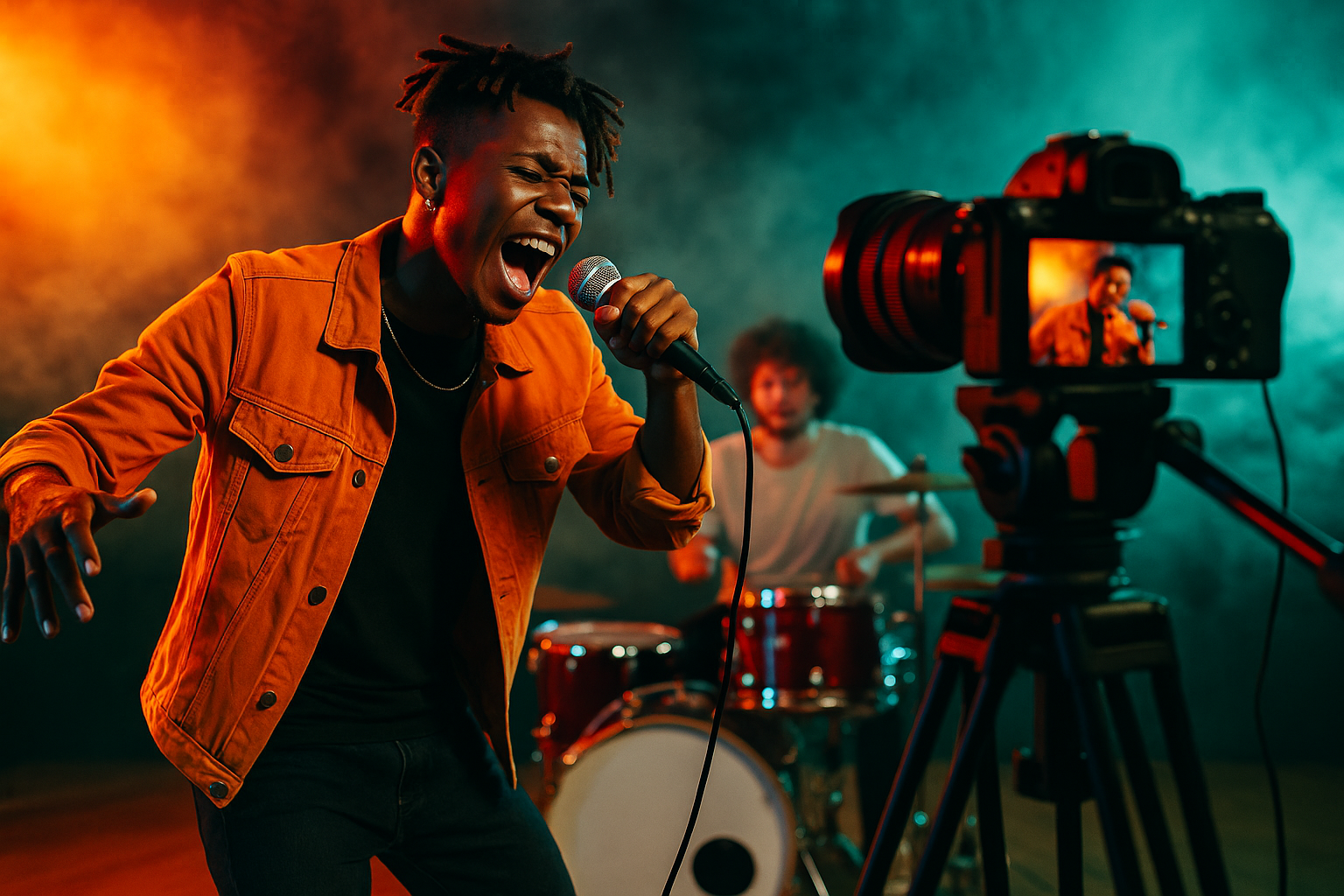

Creating a song is a powerful moment. It often starts quietly — a melody, a lyric, a beat — and gradually grows into something finished and meaningful. But once the track is complete, many artists realise the journey isn’t over. In today’s music landscape, a song doesn’t fully come alive until it has visuals to match. A music video gives your audience something to see, not just hear, and helps turn a standalone track into a complete creative statement.
This article walks through the process of creating a music video for a newly released song in a way that’s practical, approachable and realistic — whether you’re an independent artist, a band, or a producer working on your first visual project.
Understanding the Purpose of Your Music Video
Before thinking about cameras, locations or editing software, it’s worth taking a step back and asking a simple question: What is this video meant to do? A music video can serve many purposes. It might tell a story, reinforce a mood, showcase performance energy or simply help people connect emotionally with the song.
Some artists want their video to be cinematic and narrative-driven, while others prefer something stripped back that lets the music speak for itself. Neither approach is “right” or “wrong” — what matters is that the visuals feel authentic to the track. A thoughtful video doesn’t distract from the song; it deepens the listener’s experience.
Let the Song Lead the Creative Direction
Your song should be the starting point for every creative decision. Listen to it closely, multiple times, and think about the feelings it evokes. Is it upbeat or reflective? Personal or playful? Intimate or high-energy? These answers will shape everything from colour palettes to camera movement.
Some creators build videos around a clear narrative, while others focus on atmosphere. You might picture specific imagery straight away, or you might need to experiment with ideas before something clicks. Many artists jot down words, images or short scenes that come to mind while listening — a simple but effective way to uncover a strong visual direction.
Planning Without Overcomplicating Things
It’s easy to assume that music videos require huge budgets and full production crews, but that’s rarely the case anymore. Many compelling videos are created with modest resources and careful planning. What matters most is clarity of vision.
At this stage, it helps to outline the core elements of your video in one place. For example, you might think about things like the overall concept, whether the video will feature performance shots, if there’s a story arc, what locations are realistic, and how much time you have to shoot. Planning doesn’t mean locking yourself into something rigid — it simply gives you a framework to work within.
Choosing How to Create the Video
Once you have a rough idea of what you want, the next step is deciding how to bring it to life. Some artists collaborate with videographers or directors, while others prefer to take a hands-on approach. Increasingly, creators are turning to a music video maker to simplify the process, especially when budgets or time are limited.
Music video makers can help artists turn their songs into polished videos without needing advanced editing skills. These tools often allow you to upload your track, choose visuals or templates, and customise elements like transitions, timing and effects. For artists releasing music independently or regularly, this can be a practical way to maintain visual consistency while staying in control of the creative process.
Visual Styles That Work Well for New Songs
There’s no single formula for a successful music video, but certain styles tend to work particularly well for newly released tracks. Many artists choose approaches that feel natural and achievable rather than overly complex. Common styles include performance-based videos, abstract visual loops, narrative mini-films and hybrid formats that mix storytelling with live performance.
To give you a clearer idea, here are a few visual directions artists often explore when creating a video for a new song:
- A simple performance video focused on emotion and delivery
- A short story that mirrors the song’s theme or lyrics
- Abstract visuals that match the rhythm and mood
- Behind-the-scenes or documentary-style footage
- Minimalist visuals with strong lighting and colour choices
Each of these options can be powerful when done thoughtfully, regardless of budget.
Filming With Confidence (Even If You’re Not a Filmmaker)
If you’re filming yourself or working with a small team, confidence is more important than perfection. You don’t need expensive equipment to capture compelling footage — modern smartphones and entry-level cameras are more than capable when used well. Paying attention to lighting, framing and stability can make a huge difference to the final result.
It also helps to record more footage than you think you’ll need. Extra takes, alternative angles and unplanned moments often become valuable during the editing stage. The goal isn’t to create something flawless, but something genuine that feels connected to the music.
Editing: Where the Video Comes Together
Editing is where everything starts to click. This is the stage where visuals are aligned with the beat, transitions are refined, and the pacing of the video is established. Whether you’re editing manually or using a music video maker, the key is rhythm. Cuts, effects and scene changes should feel like they belong to the song rather than sitting on top of it.
It’s also worth remembering that simpler edits often age better than heavily stylised ones. Clean visuals, consistent colour grading and thoughtful timing help ensure your video remains engaging long after the initial release.
Sharing the Video and Building Momentum
Once your music video is finished, sharing it effectively is just as important as creating it. Platforms like YouTube, Instagram, TikTok and music streaming services all offer different ways to showcase your visuals. Short clips, teasers and behind-the-scenes snippets can help build interest before and after the full release.
A well-made music video also gives you business content you can reuse — stills for artwork, clips for social media and visuals for live performances. In this way, the video becomes part of a wider creative ecosystem around your song or brand (or both).
Final Thoughts: Keep It Authentic
Creating a music video for a newly created song doesn’t have to be overwhelming. At its best, it’s an extension of the music — a chance to express the same ideas through visuals rather than sound. Whether you work with a team, experiment with a music video maker or film something simple yourself, the most important thing is authenticity.
When the visuals feel honest and connected to the song, audiences notice. And often, that connection is what turns a new track into something truly memorable.