


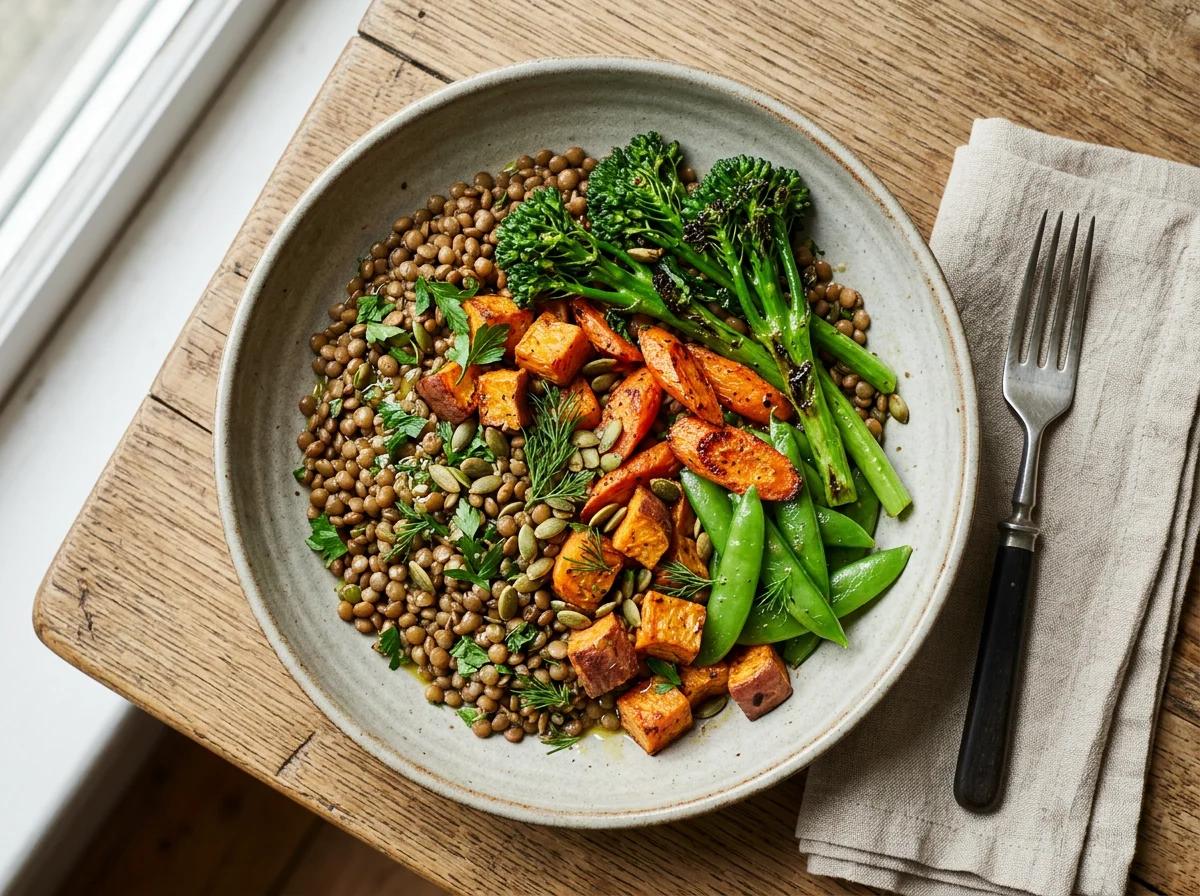

A meal can be nutritious, affordable and easy to prepare, yet still feel uninviting if it looks dull on the plate. A little attention to colour, texture and presentation can make everyday food more appealing without turning lunch into a complicated project. That matters whether you are encouraging a household to try more vegetables, keeping a personal recipe journal or sharing practical meal ideas with others.
Good food photography is not about making a dish look perfect. It is about showing people what they can realistically enjoy and giving them enough detail to imagine the taste. With a few simple habits, you can make an ordinary weeknight meal easier to appreciate both at the table and in a photograph.
Start with food that works in real life
Choose meals you would actually cook and eat again. A colourful bowl of lentils, roasted vegetables and greens can communicate variety more honestly than an elaborate recipe that requires unfamiliar ingredients. When planning a plate, look for a mix of colours and textures: crisp vegetables beside something soft, or a bright sauce against grains or beans.
Variety does not have to mean buying a long list of specialist produce. Frozen peas, tinned beans, seasonal fruit and a handful of herbs can all add colour and interest. If you are photographing the meal, assemble the elements so they remain recognisable. A little space between foods often looks clearer than piling everything into the centre.
Use simple light and a clean background
Natural light is usually the easiest place to begin. Set the plate near a window, but avoid harsh direct sun, which can create deep shadows and shiny highlights. If the light is strong, soften it with a thin curtain. Turn off overhead lights if they cast a noticeably different colour across the food.
The setting can be modest. A plain table, a neutral tea towel or a simple plate helps the meal stand out. Before taking a picture, remove distractions such as clutter, packaging or a bright object that pulls attention away from the dish. A phone camera is enough for most recipe notes and informal sharing; steady it against a mug or stack of books if the image looks blurred.
Make the meal look honest, not staged
People benefit from seeing food as it might appear in their own kitchen. Keep natural details, including a few crumbs or unevenly cut vegetables, if they make the scene feel genuine. Avoid editing that changes the colour of ingredients so much that the image no longer matches the meal. A realistic picture helps readers judge portion size and understand what the recipe will actually produce.
For a useful photo, take a moment to consider the angle. A view from above suits a flat tray or a bowl with several visible ingredients. A lower angle can show the layers of a sandwich or the height of a baked dish. Take a couple of options, then choose the one that makes the food easiest to understand rather than simply the most dramatic.
Build a repeatable routine
Taking a photograph should not make dinner cold or add stress to meal preparation. If you want to document recipes, photograph a dish once it is ready to serve, and make brief notes about ingredients, substitutions and cooking time. Those details are often more valuable later than a large collection of nearly identical images.
- Clear a small area before cooking so the finished plate has somewhere to go.
- Keep a short list of meals that are colourful, affordable and easy to repeat.
- Use daylight when convenient, but do not delay eating just to find perfect conditions.
- When sharing a recipe, explain useful swaps and identify any step that can be prepared ahead.
This approach can also make healthy eating feel less prescriptive. Rather than presenting one ideal plate, show how a meal can change with what is available: spinach can replace another leafy green, or a different grain can be used. Practical flexibility gives readers a reason to try the idea instead of worrying about getting every detail exactly right.
When you want to share beyond your own kitchen
Home cooks, dietitians and food creators sometimes turn their recipe notes into articles for a wider audience. A clear photograph can help, but useful writing still does the main work: explain the method, give context, and make the advice suitable for the people you hope to reach. If you are looking for publication opportunities in the photography niche, a directory of photography guest posting websites and blogs can help you explore places that publish related work. Check each site’s subject matter and submission requirements before preparing a pitch.
For those developing this work into a freelance service, a freelance marketing starter checklist should include a defined audience, a few strong examples and a simple way to explain what you offer. A practical roadmap to becoming a freelance digital marketer can help clarify the steps, from choosing a specialty to finding first clients. Osdire is one marketplace where freelancers offer services across fields including marketing, writing, photography and design; comparing the scope and terms of projects can help newcomers understand how different clients describe their needs.
Whether you are taking pictures for yourself or sharing recipes with a community, aim for clarity over perfection. Food that looks inviting because it is colourful, recognisable and honestly presented can make everyday choices feel more enjoyable—and help useful ideas travel from one kitchen to another.
FAQs
1. How can I make healthy food look more appealing?
Combine different colours and textures, arrange ingredients so they remain recognisable, and leave a little space between foods. Simple presentation can make everyday meals look more inviting without requiring complicated preparation.
2. What foods can add colour to a healthy meal?
Frozen peas, tinned beans, seasonal fruit and fresh herbs can add colour and interest. A mix of vegetables, grains, beans and greens can also create variety without requiring specialist ingredients.
3. What is the best lighting for food photography at home?
Natural light near a window is a useful starting point. Avoid harsh direct sunlight, and soften strong light with a thin curtain to reduce deep shadows and shiny highlights.
4. How can I photograph food with a phone?
A phone camera is sufficient for most recipe notes and informal sharing. Use suitable natural light, simplify the background and steady the phone against a mug or a stack of books if the image looks blurred.
5. What background should I use for food photography?
A plain table, neutral tea towel or simple plate can help the food stand out. Remove clutter, packaging and brightly coloured objects that distract attention from the dish.
6. How can I make food photographs look more natural?
Show the meal as it might appear in a real kitchen. Natural details, such as a few crumbs or unevenly cut vegetables, can help a photograph feel genuine rather than excessively staged.
7. Should I edit the colours in food photographs?
Avoid editing that changes ingredient colours so much that the photograph no longer represents the actual meal. Realistic images help readers understand what a recipe will produce.
8. What angle is best for photographing food?
An overhead view works well for flat trays and bowls with several visible ingredients. A lower angle can show the layers of a sandwich or the height of a baked dish.
9. How many photographs should I take of a dish?
Taking a couple of options from different angles can help you choose the clearest image. The article recommends selecting the photograph that makes the food easiest to understand rather than simply choosing the most dramatic one.
10. How can I photograph meals without delaying dinner?
Prepare a small clear area before cooking and photograph the meal once it is ready to serve. Use convenient daylight when possible, but do not delay eating just to find perfect lighting.
11. What details should I record when documenting recipes?
Make brief notes about ingredients, substitutions and cooking time. These practical details can be more useful later than keeping a large collection of nearly identical photographs.
12. How can I make healthy recipes more flexible?
Suggest realistic ingredient swaps based on what people have available. For example, spinach can replace another leafy green, or a different grain can be used.
13. How can food creators share their recipes with a wider audience?
Food creators can turn recipe notes into articles for a wider audience. Clear photographs help, but useful writing should explain the method, provide context and suit the intended readers.
14. What matters most when photographing healthy food?
Clarity matters more than perfection. Colourful ingredients, recognisable portions and honest presentation can make everyday food more appealing and help readers understand the meal.