


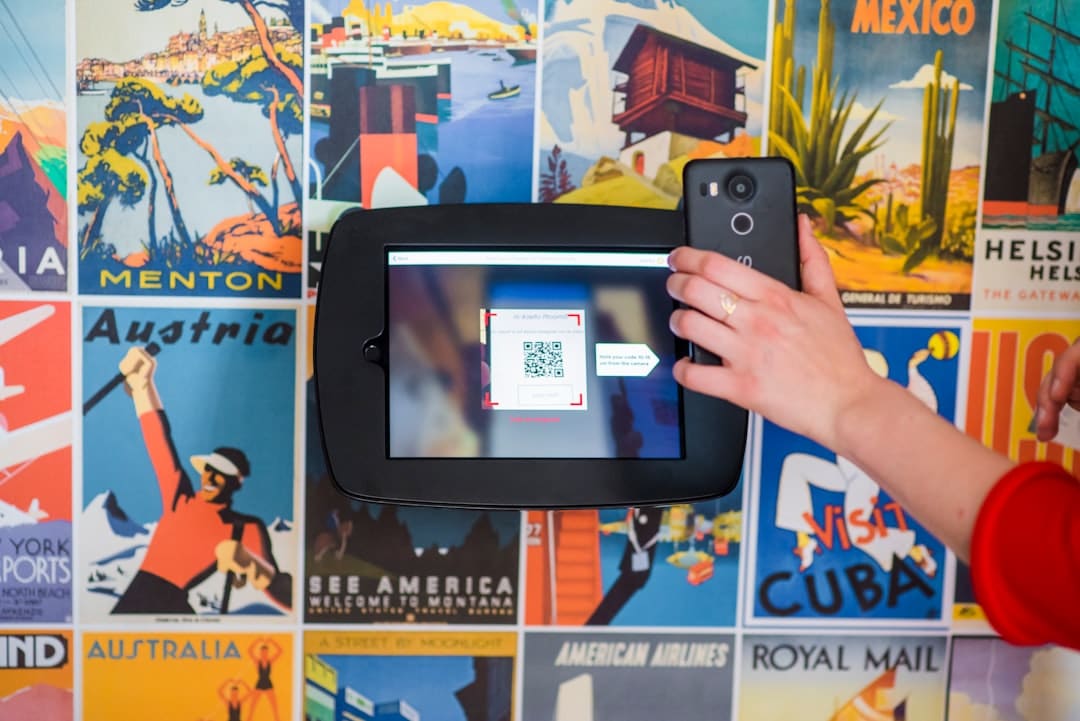

Planning a holiday used to involve a visit to the high street, a stack of brochures, and a fair amount of guesswork. Today, digital tools are present at every stage of a journey, from the first search to the final review, giving travellers more control, more information, and more ways to shape a trip around their own preferences. That shift has been rapid, and it shows no signs of slowing.
- Balancing Innovation with the Human Touch
Technology is most effective in travel when it works quietly in the background, handling logistics without replacing the personal experience that many passengers travel for in the first place. Cruise travel is a strong example of this balance. Fred Olsen Cruises, bookable through specialist agents with deep product knowledge, combine the convenience of digital booking and itinerary management with the unhurried, people-first atmosphere that distinguishes smaller-ship cruising from more impersonal alternatives. Digital systems can handle cabin preferences, shore excursion bookings, and pre-departure information, freeing both passengers and crew to focus on the experience itself instead of the administration around it.
- Planning Trips with Smarter Information at Hand
The research phase of travel has been transformed by comparison tools, digital itineraries, and aggregated reviews that put a vast amount of information in one place. Rather than relying on a single source, travellers can now cross-reference routes, dates, pricing, and passenger feedback before committing to anything. Despite this, YouGov’s 2025 travel research found that 71% of British holidaymakers find at least one part of the booking process stressful, suggesting that having more information does not always make decisions easier. The tools that work best are those that filter intelligently, presenting relevant options clearly rather than overwhelming the user with choice.
- Personalisation That Responds to How You Travel
One of the more significant shifts in travel technology is the move from generic offerings to experiences that adapt to individual preferences. Research from myPOS found that 71% of consumers now expect businesses to deliver personalised interactions, and travel is no exception. Apps and onboard systems can now factor in dining preferences, accessibility requirements, and excursion interests to surface options that are genuinely relevant, saving time and reducing the friction of navigating choices that are not suited to you. For older travellers or those with specific needs, this kind of tailoring has moved from a luxury to a practical expectation.
- Staying Connected While You Move
Reliable connectivity during a journey has become a basic expectation instead of a bonus. Mobile apps allow travellers to check schedules, receive real-time updates, and contact support without queuing at a desk or navigating unfamiliar phone systems. For those travelling in more remote regions, like across oceans, through fjords, or along coastlines, onboard Wi-Fi and digital assistance provide a reassuring link to essential services without intruding on the sense of escape that many people travel specifically to find.
Technology has not changed what makes travel rewarding, such as the new places, the slower pace, and the distance from routine. What has changed is how much effort it takes to get there and how smoothly things run once you do.
Why do many British holidaymakers find the digital booking process stressful?
According to data compiled by YouGov, 71% of British holidaymakers find at least one segment of the holiday booking process stressful. This friction is rarely driven by a lack of tech; rather, it is caused by analysis paralysis. The sheer volume of raw data, unverified reviews, and comparison paths frequently overwhelms users, making clean, filtered, and smart curation tools a necessity.
How is technology changing personalization in the travel industry?
As highlighted by myPOS research, 71% of modern consumers expect brands to provide hyper-personalised interactions. In travel, advanced applications and internal booking platforms analyze individual passenger profiles to intelligently surface relevant dietary configurations, accessibility arrangements, and customized excursion itineraries, eliminating generic and irrelevant consumer choices.