


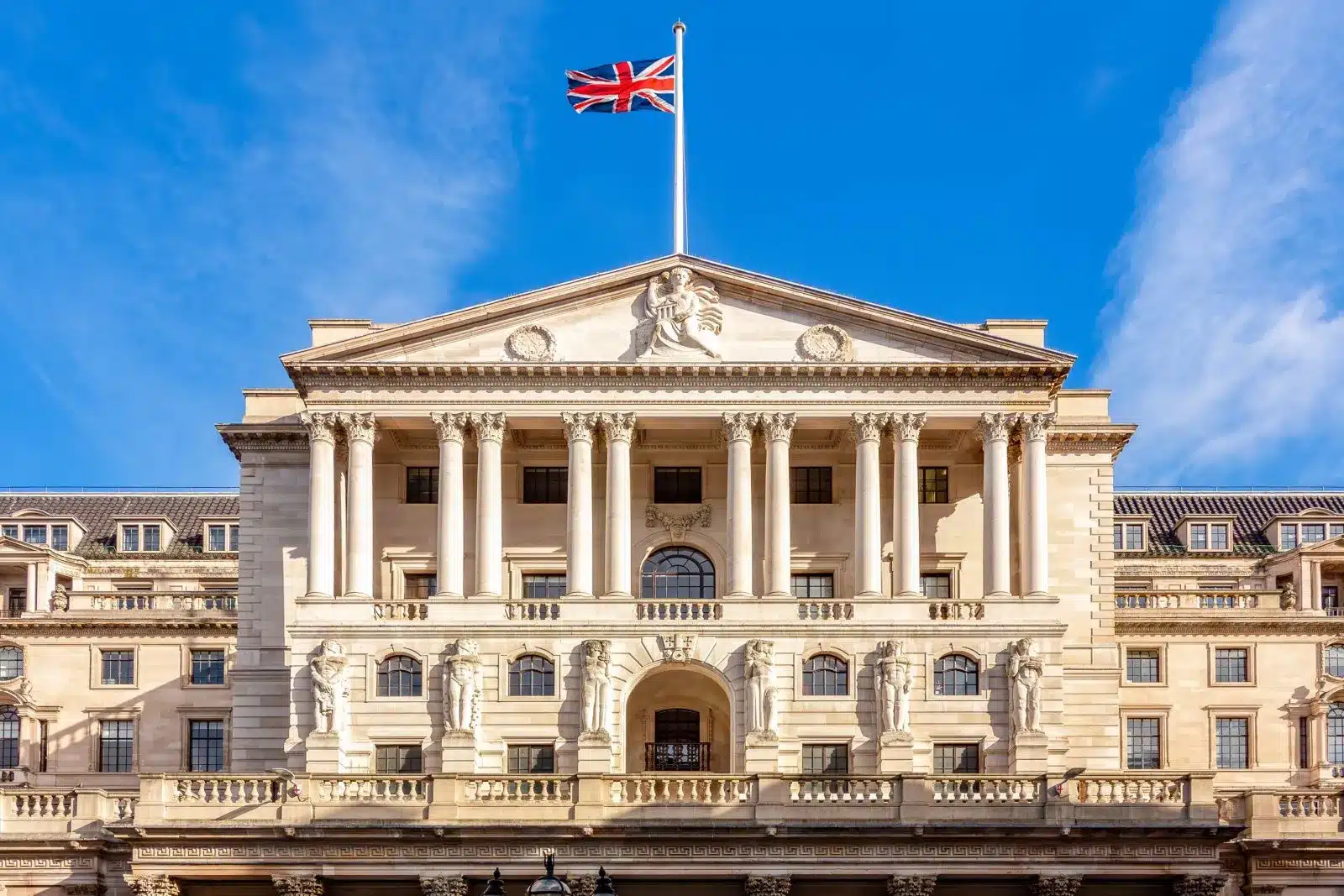

Understanding the UK interest rates 2026 mortgage impact is vital for homeowners facing remortgaging decisions this year. On 30 July 2026, the Bank of England Monetary Policy Committee (MPC) voted 6–3 to hold the official Bank Rate at 3.75%. Consequently, while the base rate remains motionless, financial swap markets have driven fixed-rate mortgage prices upward across High Street lenders.
Therefore, borrowers and savers must navigate an evolving landscape where borrowing costs remain elevated despite headline inflation cooling. This comprehensive analysis breaks down the full UK interest rates 2026 mortgage impact, offering clear insights for home buyers, landlords, and cash savers alike.
Executive Summary: Key Data at a Glance
-
Current BoE Base Rate: 3.75% (Held on 30 July 2026; 6–3 vote split).
-
UK Headline CPI Inflation: 2.6% (ONS June 2026 data).
-
Average 2-Year Fixed Mortgage: 5.62%.
-
Average 5-Year Fixed Mortgage: 5.61%.
-
Top Easy-Access Savings Rate: ~4.40% AER.
-
Next Rate Decision: 17 September 2026.
Latest Developments: The July 2026 BoE Decision
During its July review, the Monetary Policy Committee revealed a significant internal division. Specifically, six members voted to maintain the rate at 3.75%, whereas three dissenting members pressed for a 0.25 percentage point increase to 4.00% due to persistent service inflation.
                     JULY 2026 MPC VOTE BREAKDOWN
┌──────────────────────────────────────────────────────────────────┐
│ Hold Rate at 3.75% (6 Votes)    [==========================] 67% │
│ Raise Rate to 4.00% (3 Votes)   [============]              33%  │
└──────────────────────────────────────────────────────────────────┘
Furthermore, Office for National Statistics (ONS) data indicates that Consumer Prices Index (CPI) inflation fell to 2.6% in June 2026. However, core CPI remains sticky at 3.4%, while wage growth holds at 4.8%. As a result, central bank officials remain reluctant to cut interest rates prematurely.
Calculating the UK Interest Rates 2026 Mortgage Impact
To assess the true UK interest rates 2026 mortgage impact, borrowers need to distinguish between base rate mechanics and wholesale money markets.
-
Tracker Mortgages: These products move in direct lockstep with the BoE rate. Because the rate was held at 3.75%, tracker monthly repayments will not change in August.
-
Fixed-Rate Mortgages: These deals are priced using SONIA Swap Rates, which anticipate future borrowing trends. As swap rates increased in mid-July, lenders pushed 2-year and 5-year fixed prices higher.
-
Standard Variable Rates (SVR): Lenders set these rates independently. SVRs currently average 6.49%, making them an expensive option for out-of-contract borrowers.
| Product Category | January 2026 Rate | July 2026 Rate | Trend Direction |
| BoE Base Rate | 4.00% | 3.75% | Stable / Held |
| 2-Year Fixed Mortgage | 5.35% | 5.62% | Escalating |
| 5-Year Fixed Mortgage | 5.20% | 5.61% | Escalating |
| Standard Variable Rate (SVR) | 6.74% | 6.49% | Drifting down |
| Easy-Access Savings | 4.60% | 4.35% | Moderating |
Detailed UK Interest Rates 2026 Mortgage Impact on Households
1. Homeowners Remortgaging in 2026
Approximately 1.6 million UK households will reach the end of their existing fixed-rate deals during 2026. Most of these homeowners originally secured rates below 2.5% in 2021 or 2022. Consequently, transitioning to current fixed rates near 5.6% will result in a sharp payment shock.
Monthly Repayment Example:
On a typical £250,000 mortgage over a 25-year term:
At 2.00% Interest: Monthly repayment = £1,060
At 5.61% Interest: Monthly repayment = £1,551
Monthly Increase: +£491 per month (+£5,892 per year).
2. First-Time Buyers
In addition to steep deposit requirements, first-time buyers face stringent affordability stress tests. Although average UK house price growth has cooled to 1.2% annually, elevated borrowing costs continue to restrict purchasing power. Therefore, long-term 5-year fixed deals remain the dominant choice for entry-level buyers seeking fixed budget certainty.
How Interest Rate Decisions Affect UK Savers
Meanwhile, the economic backdrop offers positive news for UK savers. With CPI inflation standing at 2.6%, top-tier cash savings accounts yielding 4.3% to 4.5% deliver real, inflation-beating returns.
-
Easy-Access Accounts: Top deals currently pay up to 4.35% AER. However, savers should monitor introductory bonus periods closely.
-
Fixed-Rate Bonds: 1-year fixed accounts offer yields up to 4.50%. Locking in now protects savers if deposit rates drop later in the year.
-
Personal Savings Allowance (PSA): Basic rate taxpayers can earn £1,000 in interest tax-free (£500 for higher rate taxpayers). Consequently, Cash ISAs are regaining popularity to shelter returns from income tax.
Expert Analysis & Future Economic Outlook
Industry analysts emphasize that mortgage rates are unlikely to drop back toward pre-2022 levels anytime soon.
Sarah Jenkins, Chief Property Economist at Capital Economics, noted:
“The expectation of rapid rate cuts has faded in mid-2026. Because core inflation remains persistent, central bank policy will stay restrictive. Borrowers must plan for a ‘new normal’ where mortgage rates hover between 5.0% and 5.5% for the foreseeable future.”
Looking ahead, the MPC will convene again on 17 September 2026. Analysts will monitor upcoming GDP and employment figures to determine whether a base rate reduction remains possible before the end of the year.
Key Takeaways
-
Base Rate Stationary: The BoE maintained the Bank Rate at 3.75% in July 2026.
-
Fixed Rates Rising: Swap market shifts have caused lenders to increase fixed mortgage prices.
-
Remortgage Pressure: Exiting 2021 fixed deals creates average payment hikes of £400–£500 monthly.
-
Positive Savings Returns: Savings rates above 4.3% successfully outpace current 2.6% inflation.
-
Proactive Planning: Borrowers can secure new mortgage deals up to 180 days before their current contract expires.
Frequently Asked Questions
What is the primary UK interest rates 2026 mortgage impact on borrowers?
The main UK interest rates 2026 mortgage impact is higher monthly repayments for those exiting fixed deals, as new fixed rates average 5.61% compared to older deals below 2.5%.
What is the current Bank of England base rate in 2026?
The current Bank of England base rate is 3.75%, following the MPC hold decision on 30 July 2026.
Why are fixed mortgage rates rising if the base rate was held?
Fixed mortgage pricing depends on wholesale swap rates. Because markets anticipate prolonged inflation risks, swap rates increased in mid-July, leading banks to raise fixed deal prices.
Will UK interest rates fall further in 2026?
Financial forecasts suggest the base rate will remain between 3.50% and 3.75% for most of 2026 unless inflation falls significantly below the 2.0% target.
How does the base rate hold affect savings accounts?
Easy-access savings rates remain relatively strong at 4.15%–4.40%, allowing savers to secure positive real returns above the current 2.6% inflation rate.
When is the next Bank of England interest rate decision?
The Monetary Policy Committee will announce its next interest rate decision on Thursday, 17 September 2026.